
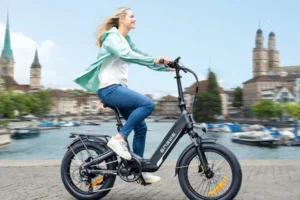
How Much Does It Cost to Charge an E-bike in the UK?
Charging an e-bike in the UK usually costs only a few pence. Depending on the battery size and your electricity tariff, a full charge typically costs between 10p and 30p.
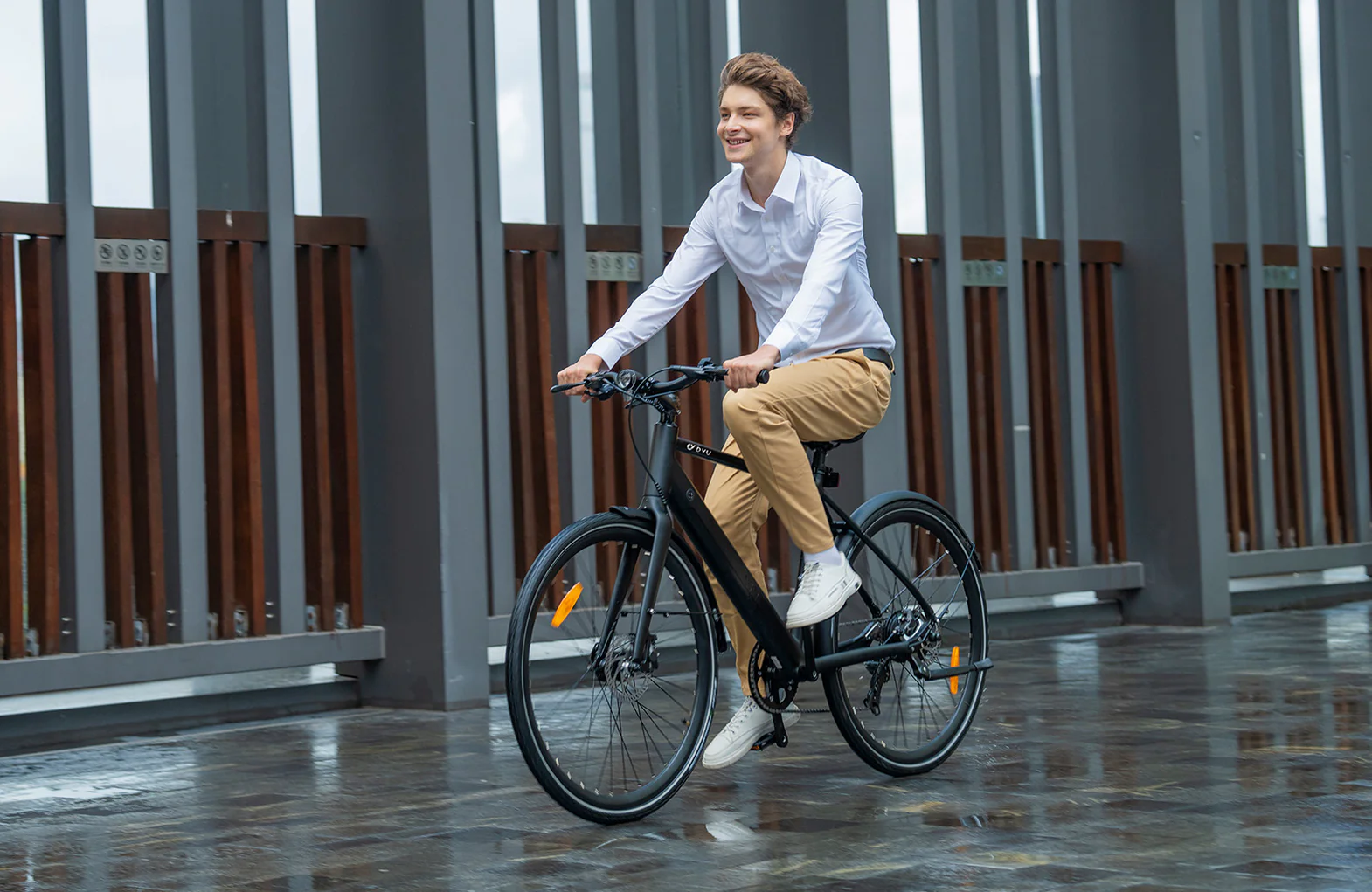
Buying an electric bike no longer means spending £2,000 or more.
Over the last few years, the UK e-bike market has changed dramatically. Competition between manufacturers has led to a new generation of affordable electric bikes that deliver excellent performance, reliable batteries and practical everyday usability for well under £1,000. While premium brands continue to dominate the high-end market, budget-friendly manufacturers have significantly improved build quality, motor efficiency and overall value, making electric cycling accessible to many more riders.
Whether you’re commuting to work, replacing short car journeys, exploring the countryside or simply looking for a healthier way to travel, there are now several excellent electric bikes available without stretching your budget.
However, not every budget e-bike offers the same experience.
Some prioritise portability with folding frames, others focus on comfort for daily commuting, while fat-tyre models provide extra stability on mixed terrain. Battery capacity, motor responsiveness, braking performance and after-sales support can vary considerably, making it important to choose a model that genuinely suits your riding style rather than simply buying the cheapest option. Budget e-bikes generally feature UK-legal 250W hub motors, removable batteries and practical ranges suitable for everyday commuting, but there are meaningful differences in comfort, components and long-term value.
At ST3IKE, we’ve carefully analysed the latest models available in the UK market, comparing real-world usability, specifications, value for money and long-term ownership costs.
Rather than ranking bikes based purely on specifications, we’ve considered the factors that matter most to everyday riders:
Many of the bikes featured in this guide are available directly from ST3IKE, where we carefully select models that offer genuine value rather than simply chasing the lowest possible price. Every recommendation has been chosen because we believe it represents a strong option for UK riders looking to maximise performance without exceeding a £1,000 budget. If you are looking for the best electric bikes under £ 1500 in the UK visit this article.
In this guide you’ll discover:
By the end of this article, you’ll know exactly which electric bike offers the best value for your budget and which model is most suitable for your commuting needs, weekend rides or everyday adventures.
If you’re looking for the best electric bike under £1000 in the UK, the ENGWE EP-2 Boost stands out as the strongest all-round choice for most riders.
It offers an impressive balance of performance, comfort, battery range and everyday practicality at a price that remains accessible for commuters, leisure riders and first-time e-bike buyers. Its folding frame, wide tyres and powerful hill-climbing assistance make it one of the most versatile electric bikes currently available in this price range.
If portability is your main priority, the SAMEBIKE LO26-II-YD is an excellent alternative thanks to its lightweight folding design and commuter-friendly geometry. Riders looking for the lowest possible entry price should consider the DYU D3F, while the DYU C6 is an ideal choice for relaxed urban riding with an upright, comfortable riding position.
The right electric bike ultimately depends on how and where you plan to ride. Daily commuters may value comfort and reliability above everything else, while weekend riders often prioritise battery range and versatility. Folding models are ideal for those with limited storage space or who regularly combine cycling with train travel, whereas larger bikes generally provide a more stable and comfortable ride over longer distances.
Our recommendations are based on a combination of specifications, real-world usability, value for money, rider comfort, maintenance requirements and overall ownership experience rather than simply comparing motor power or battery size.
| Category | Recommended Model | Why We Recommend It |
|---|---|---|
| 🏆 Best Overall | ENGWE EP-2 Boost | Outstanding value, folding frame, excellent range, versatile for commuting and leisure |
| 🚲 Best Folding Bike | SAMEBIKE LO26-II-YD | Practical folding design with comfortable riding position |
| 💷 Best Budget Choice | DYU D3F | One of the most affordable electric bikes without compromising everyday usability |
| 🌆 Best City Bike | DYU C6 | Comfortable upright geometry, ideal for urban commuting |
| ⭐ Best Value for Money | ENGWE EP-2 Boost | Premium features rarely found below the £1,000 price point |
Choosing an electric bike involves much more than comparing specifications on a product page.
Every recommendation in this guide has been assessed using the same evaluation criteria to ensure a fair comparison between models.
We score each bike across eight key areas:
| Evaluation Criteria | Why It Matters |
|---|---|
| Ride Comfort | Determines how enjoyable the bike feels over longer journeys. |
| Motor Performance | Smooth assistance, responsiveness and hill-climbing capability. |
| Battery Range | Realistic riding distance rather than manufacturer claims. |
| Build Quality | Frame, components and overall durability. |
| Value for Money | Features offered compared with the purchase price. |
| Practicality | Folding mechanism, storage, weight and transportability. |
| Maintenance | Availability of spare parts and ease of servicing. |
| Everyday Ownership | Reliability, usability and long-term satisfaction. |
Rather than focusing purely on headline specifications, we consider how each bike performs in everyday UK riding conditions, including commuting, leisure rides, mixed terrain and variable weather.
This approach allows us to recommend models that offer genuine long-term value rather than simply the most powerful motor or the largest advertised battery.
The ENGWE EP-2 Boost is, in our opinion, the strongest all-round electric bike currently available in the UK for riders with a budget of around £1,000.
Rather than excelling in just one area, it delivers an impressive balance of performance, comfort and versatility that makes it suitable for commuters, weekend cyclists and riders who occasionally venture beyond paved roads.
Unlike many budget electric bikes that feel compromised in terms of build quality or ride comfort, the EP-2 Boost offers features that are often found on considerably more expensive models. The folding aluminium frame makes storage easier, while the wide tyres provide excellent grip and confidence on wet roads, gravel paths and uneven surfaces commonly found across the UK.
Its responsive rear hub motor provides smooth pedal assistance for urban commuting and moderate hills, while the removable battery offers enough capacity for most daily journeys without requiring frequent charging.
✔ Excellent value for money
✔ Comfortable riding position
✔ Folding frame for easier transport
✔ Wide tyres increase stability and confidence
✔ Strong battery capacity
✔ Suitable for commuting and leisure riding
| Category | Score |
|---|---|
| Ride Comfort | ⭐⭐⭐⭐⭐ |
| Motor Performance | ⭐⭐⭐⭐☆ |
| Battery Range | ⭐⭐⭐⭐⭐ |
| Build Quality | ⭐⭐⭐⭐☆ |
| Value for Money | ⭐⭐⭐⭐⭐ |
| Practicality | ⭐⭐⭐⭐☆ |
| Maintenance | ⭐⭐⭐⭐☆ |
| Overall Score | 9.5 / 10 |
If you only plan to buy one electric bike and your budget is around £1,000, the ENGWE EP-2 Boost is currently one of the safest recommendations available. It successfully combines versatility, comfort and impressive specification into a package that suits the majority of UK riders.
The SAMEBIKE LO26-II-YD is designed for riders who need flexibility without sacrificing comfort.
Its folding frame makes it much easier to store at home, transport in a car boot or combine with public transport, making it particularly attractive for commuters with limited storage space.
Despite its compact design, it maintains a comfortable riding position and feels surprisingly stable thanks to its wheel size and well-balanced geometry.
The motor provides smooth assistance for everyday riding, while the removable battery is well suited to regular commuting and weekend trips.
✔ Excellent folding mechanism
✔ Comfortable geometry
✔ Good commuter bike
✔ Easy to store
✔ Competitive price
| Category | Score |
|---|---|
| Ride Comfort | ⭐⭐⭐⭐☆ |
| Motor Performance | ⭐⭐⭐⭐☆ |
| Battery Range | ⭐⭐⭐⭐☆ |
| Build Quality | ⭐⭐⭐⭐☆ |
| Value for Money | ⭐⭐⭐⭐⭐ |
| Practicality | ⭐⭐⭐⭐⭐ |
| Maintenance | ⭐⭐⭐⭐☆ |
| Overall Score | 9.1 / 10 |
For riders who spend almost all their time cycling around towns and cities, the DYU C6 represents an excellent balance between affordability and comfort.
Its upright riding position reduces pressure on the back and shoulders, making it particularly comfortable during everyday commuting.
The step-through frame also makes mounting and dismounting considerably easier than traditional diamond-frame bicycles, which many riders appreciate during stop-start urban journeys.
While it isn’t intended for off-road adventures, it performs confidently on cycle lanes, residential streets and paved roads.
✔ Comfortable upright position
✔ Step-through frame
✔ Easy to ride
✔ Excellent for beginners
✔ Attractive price
| Category | Score |
|---|---|
| Ride Comfort | ⭐⭐⭐⭐⭐ |
| Motor Performance | ⭐⭐⭐⭐☆ |
| Battery Range | ⭐⭐⭐⭐☆ |
| Build Quality | ⭐⭐⭐⭐☆ |
| Value for Money | ⭐⭐⭐⭐☆ |
| Practicality | ⭐⭐⭐⭐⭐ |
| Maintenance | ⭐⭐⭐⭐⭐ |
| Overall Score | 8.9 / 10 |
If your primary goal is to buy an electric bike while spending as little as possible, the DYU D3F is one of the strongest entry-level options currently available in the UK.
Its compact dimensions make it particularly suitable for short urban journeys, while its simple design keeps maintenance straightforward and ownership costs low.
Although it cannot match the comfort or range of larger electric bikes, it delivers excellent value for riders making relatively short daily trips.
✔ Extremely affordable
✔ Compact design
✔ Easy to store
✔ Very beginner-friendly
✔ Low maintenance
| Category | Score |
|---|---|
| Ride Comfort | ⭐⭐⭐☆☆ |
| Motor Performance | ⭐⭐⭐⭐☆ |
| Battery Range | ⭐⭐⭐☆☆ |
| Build Quality | ⭐⭐⭐⭐☆ |
| Value for Money | ⭐⭐⭐⭐⭐ |
| Practicality | ⭐⭐⭐⭐⭐ |
| Maintenance | ⭐⭐⭐⭐⭐ |
| Overall Score | 8.6 / 10 |
If we had to recommend just one electric bike under £1,000, our choice would be the ENGWE EP-2 Boost.
Its combination of folding convenience, generous battery capacity, comfortable riding position and outstanding value for money makes it one of the most complete budget e-bikes currently available for UK riders. Whether you’re commuting to work, exploring local trails or simply looking to replace short car journeys, it offers a level of versatility that is difficult to match at this price point.
For riders seeking the best balance between features, performance and long-term ownership costs, it’s the benchmark against which other bikes in this category should be measured.
| Model | Best For | Motor | Battery | Estimated Range* | Folding | Weight | Our Rating |
|---|---|---|---|---|---|---|---|
| ENGWE EP-2 Boost | All-round riding | 250W Rear Hub | 48V Removable | Up to 120 km | ✅ | Approx. 30 kg | ⭐ 9.5/10 |
| SAMEBIKE LO26-II-YD | Commuting & storage | 250W Rear Hub | Removable | Up to 80 km | ✅ | Approx. 28 kg | ⭐ 9.1/10 |
| DYU C6 | City commuting | 250W Rear Hub | Removable | Up to 70 km | ❌ | Approx. 27 kg | ⭐ 8.9/10 |
| DYU D3F | Budget urban travel | 250W Rear Hub | Integrated | Up to 45 km | ✅ | Approx. 18 kg | ⭐ 8.6/10 |
*Estimated range depends on rider weight, terrain, tyre pressure, assistance level, weather conditions and riding style. Manufacturer figures are typically measured under ideal conditions.
Choosing the right electric bike isn’t simply about buying the model with the biggest battery or the highest number of features. The best choice depends on how you plan to use it every day.
Only a few years ago, buying an electric bike for under £1,000 often meant accepting major compromises. Entry-level models typically featured limited battery capacity, basic components and less refined motors.
Today, the situation is very different.
Advances in lithium-ion battery technology, more efficient hub motors and increased competition among manufacturers have significantly raised the standard of affordable e-bikes. Riders can now expect removable batteries, reliable 250W motors, hydraulic or high-quality mechanical disc brakes, integrated displays and practical ranges suitable for daily commuting—all at prices that would have been difficult to imagine a few years ago. Broader buying guides from the cycling industry also highlight how the budget segment has matured and now serves a wide range of everyday riders.
This doesn’t mean every budget e-bike offers the same quality. Build standards, after-sales support and long-term reliability still vary between brands, which is why choosing a reputable retailer and a model with readily available spare parts remains important.
At ST3IKE, we focus on models that deliver genuine long-term value rather than simply the lowest price, helping customers invest in bikes that are enjoyable to own and easy to maintain.
To help readers make an informed decision, we recommend consulting these authoritative resources:
Buying an electric bike is a significant investment, even when your budget is under £1,000. The good news is that this price range now offers some genuinely capable models for commuting, leisure riding and everyday transport.
Instead of focusing solely on the advertised range or the motor power, it’s important to understand which features will make the biggest difference to your day-to-day riding experience.
Absolutely.
For many riders, £800–£1,000 is now considered the “sweet spot” of the UK e-bike market.
At this price, you can realistically expect:
Premium bikes costing £2,500 or more often include lighter frames, mid-drive motors, premium drivetrains and suspension systems. However, for commuting, leisure rides and replacing short car journeys, many sub-£1,000 e-bikes deliver excellent value.
Expert Tip: Focus on overall reliability and after-sales support rather than chasing the biggest battery or the highest advertised range.
One of the first decisions you’ll encounter is the motor type.
Most electric bikes under £1,000 use a rear hub motor.
✔ Lower purchase price
✔ Simpler maintenance
✔ Reliable for everyday riding
✔ Quiet operation
✔ Ideal for urban commuting
These are usually found on premium bikes costing £2,000 or more.
Advantages include:
For most commuters and leisure riders, a quality hub motor offers more than enough performance while keeping costs under control.
One of the most common misconceptions is that bigger is always better.
In reality, the ideal battery size depends on your riding habits.
| Daily Distance | Recommended Range |
|---|---|
| Under 10 miles | 30–40 miles |
| 10–20 miles | 40–60 miles |
| Over 20 miles | 60+ miles |
Keep in mind that actual range is influenced by:
Manufacturer figures are typically measured under ideal conditions, so real-world performance is often lower.
This is one of the most important decisions you’ll make.
Perfect if you:
Examples:
Better if you:
Many affordable electric bikes now feature wide or “fat” tyres.
Although they increase the bike’s overall weight, they also provide several advantages:
✔ Better grip on wet roads
✔ Increased comfort
✔ More confidence for beginner riders
✔ Greater stability on gravel paths and uneven surfaces
For mixed-terrain riding, fat tyres are an excellent choice. However, if your journeys are almost entirely on smooth roads, standard tyres may feel slightly more efficient.
One of the biggest benefits of modern electric bikes is that routine maintenance is similar to that of a conventional bicycle.
You’ll still need to:
A well-maintained e-bike can provide many years of reliable service.
This is one of the biggest surprises for new riders.
Charging a typical e-bike battery costs only a few pence to around 20–30p, depending on the battery capacity and current electricity prices. Even with recent energy price fluctuations, the running cost remains dramatically lower than using a car for short journeys. Guidance from UK energy suppliers consistently shows that e-bikes are among the cheapest forms of powered personal transport.
For someone commuting every weekday, the annual electricity cost is usually only a small fraction of the fuel cost of driving the same distance.
Buying online has become increasingly popular, especially when purchasing from specialist retailers.
The advantages include:
However, it’s worth choosing a retailer that offers:
At ST3IKE, we focus on carefully selected models that combine reliability, value for money and practical performance for UK riders, helping customers choose an e-bike that suits their needs rather than simply the cheapest option. You can purchase your e-bike with Cycle to Work Scheme UK.
Before buying an electric bike, it’s important to understand the legal requirements in the UK.
A road-legal Electrically Assisted Pedal Cycle (EAPC) must:
If your e-bike meets these requirements, you generally do not need:
Always check the latest guidance before purchasing or modifying an electric bike.
For official information, see:
Yes. Today’s budget electric bikes offer significantly better value than they did just a few years ago. Models under £1,000 now commonly include reliable 250W motors, removable lithium-ion batteries, disc brakes and practical riding ranges that are more than sufficient for commuting and everyday use.
Unless you’re looking for a lightweight carbon frame, a premium mid-drive motor or high-end suspension, a well-chosen budget e-bike can comfortably meet the needs of most UK riders.
Our top recommendation is the ENGWE EP-2 Boost.
It combines a folding frame, generous battery capacity, comfortable riding position and excellent value for money, making it one of the most versatile electric bikes currently available in this price range.
Most quality electric bikes under £1,000 offer a realistic riding range of 30–70 miles (50–110 km) depending on:
Manufacturer figures are usually measured under ideal test conditions, so real-world range is often lower.
Yes.
Modern folding electric bikes are designed for everyday use and are particularly popular among commuters.
High-quality folding mechanisms are tested to withstand repeated opening and closing, while offering the same level of safety as many traditional bicycle frames when used correctly.
For the vast majority of riders, yes.
A UK-legal 250W motor provides plenty of assistance for:
The rider’s own pedalling effort always contributes to the overall performance, which is why motor torque is often more important than the wattage alone.
Yes.
A good quality 250W motor can comfortably tackle most hills found in the UK.
Steeper gradients simply require a lower gear and a little more rider input.
For exceptionally hilly areas, bikes with higher torque generally perform better than those relying purely on higher top speed.
Yes.
Most reputable electric bikes are designed to cope with normal British weather.
However, they should never be submerged in water or cleaned using high-pressure washers, as this may damage electrical components.
A quality lithium-ion battery will typically last 500–1,000 full charge cycles, which often equates to 3–6 years depending on usage and maintenance.
Proper charging habits and avoiding prolonged storage at 0% or 100% charge can significantly extend battery life.
Charging costs are surprisingly low.
For most UK riders, a full battery charge costs only a few pence to around 30p, depending on electricity tariffs and battery capacity.
This makes electric bikes one of the cheapest forms of powered transport available.
Most UK road-legal electric bikes are pedal-assist models.
This means the motor only provides assistance while you’re pedalling.
Throttle-only bikes are subject to different legal requirements unless they meet specific exemptions.
In most cases, no.
If the bike complies with UK EAPC regulations, insurance is not legally required, although theft insurance is often recommended.
Not really.
Routine maintenance is very similar to a conventional bicycle.
The main additional consideration is looking after the battery by charging it correctly and avoiding extreme temperatures.
Many UK rail operators allow electric bikes, although restrictions may apply during peak hours and larger non-folding models can be difficult to accommodate.
Folding electric bikes are generally the easiest option for combined bike-and-rail commuting.
The DYU C6 is an excellent choice thanks to its comfortable riding position and easy handling.
For riders seeking more versatility, the ENGWE EP-2 Boost offers room to grow without becoming overly complicated.
Buying online is now a popular and convenient option, provided you choose a specialist retailer that offers clear warranty terms, after-sales support and spare parts availability.
A trusted retailer can also help you choose the right model based on your riding style rather than simply the lowest price.
If you’re shopping for the best electric bike under £1000 in the UK, there has never been a better time to buy.
Affordable e-bikes have evolved dramatically in recent years, offering reliable motors, practical battery ranges and everyday usability that was once reserved for much more expensive models.
After comparing performance, comfort, build quality, value for money and long-term ownership costs, our recommendations are:
🥇 Best Overall: ENGWE EP-2 Boost
🥈 Best Folding Bike: SAMEBIKE LO26-II-YD
🥉 Best City Bike: DYU C6
💷 Best Budget Buy: DYU D3F
Ultimately, the best electric bike is the one that fits your lifestyle. A commuter may prioritise portability and comfort, while a leisure rider might value battery range and versatility.
Whichever model you choose, investing in a quality electric bike can reduce transport costs, encourage a healthier lifestyle and make everyday journeys more enjoyable.
Charging an e-bike in the UK usually costs only a few pence. Depending on the battery size and your electricity tariff, a full charge typically costs between 10p and 30p.
Looking for the best legal e-bike in the UK? Discover the UK’s EAPC rules, 250W motor limit, 15.5 mph assistance limit, throttle rules and our top legal e-bike picks.
Find out how long an e-bike battery lasts, how many miles you can expect from a single charge, what affects battery lifespan, and how to keep your battery performing at its best.
| Cookie | Duration | Description |
|---|---|---|
| cookielawinfo-checbox-analytics | 11 months | This cookie is set by GDPR Cookie Consent plugin. The cookie is used to store the user consent for the cookies in the category "Analytics". |
| cookielawinfo-checbox-functional | 11 months | The cookie is set by GDPR cookie consent to record the user consent for the cookies in the category "Functional". |
| cookielawinfo-checbox-others | 11 months | This cookie is set by GDPR Cookie Consent plugin. The cookie is used to store the user consent for the cookies in the category "Other. |
| cookielawinfo-checkbox-necessary | 11 months | This cookie is set by GDPR Cookie Consent plugin. The cookies is used to store the user consent for the cookies in the category "Necessary". |
| cookielawinfo-checkbox-performance | 11 months | This cookie is set by GDPR Cookie Consent plugin. The cookie is used to store the user consent for the cookies in the category "Performance". |
| viewed_cookie_policy | 11 months | The cookie is set by the GDPR Cookie Consent plugin and is used to store whether or not user has consented to the use of cookies. It does not store any personal data. |