
Why an E-Bike Is the Best Hedge Against the Next Oil Shock
Every time oil prices surge, commuters feel the impact almost immediately. Petrol becomes expensive, transportation costs rise, and daily mobility suddenly becomes a financial burden.


Every time oil prices spike, the same pattern repeats itself: fuel becomes expensive, commuting costs explode, and suddenly people start reconsidering how they move around cities.
But there’s one mobility solution that quietly shields riders from these price shocks: the electric bike.
While cars and motorcycles remain tied to the volatility of global oil markets, e-bikes run on electricity, and they do so with extraordinary efficiency.
Let’s look at why an e-bike can become one of the smartest financial decisions you make when fuel prices start climbing.
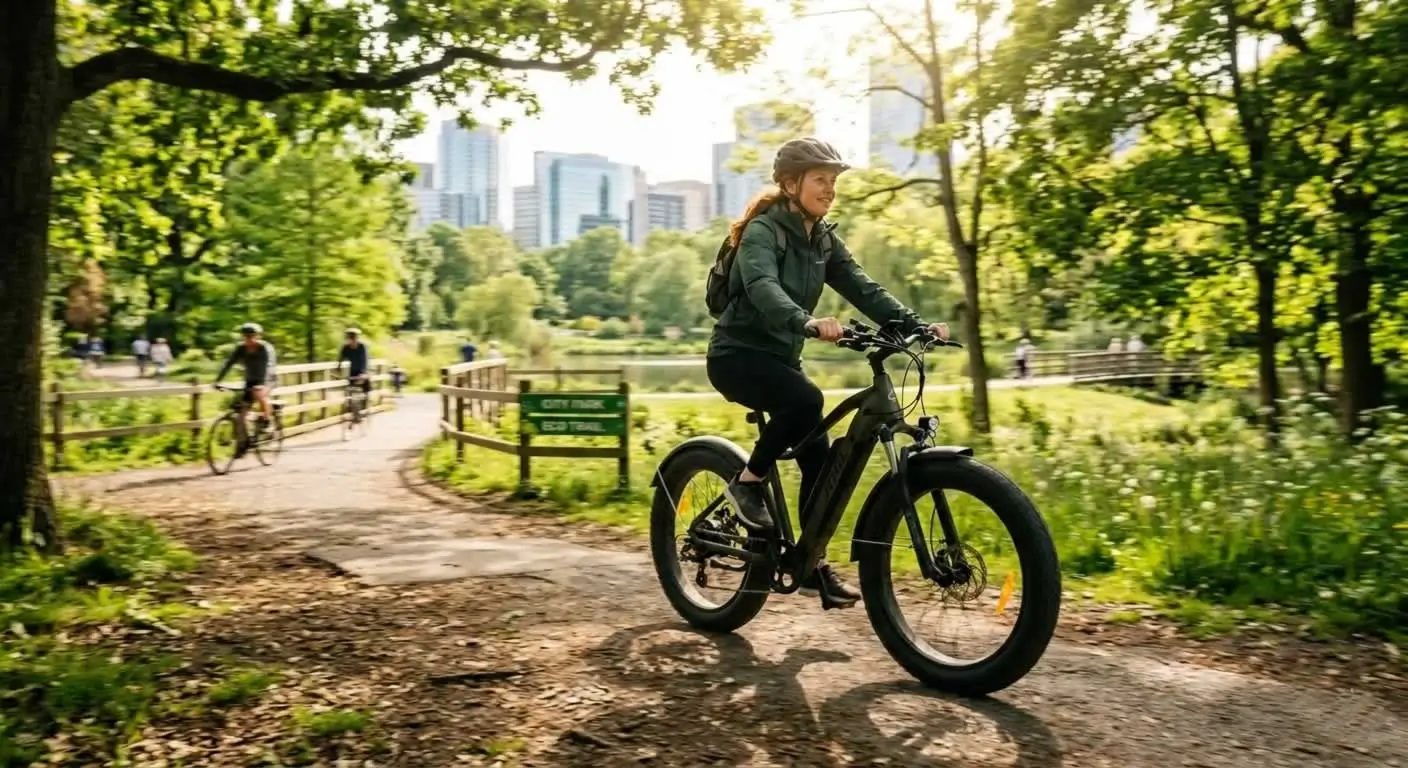
Oil markets are famously unstable. Geopolitical tensions, supply disruptions, and shifts in global demand can push petrol prices up almost overnight.
For commuters who rely on cars or motorbikes, that means:
Unpredictable monthly transport costs
Expensive daily commutes
Increased dependence on fossil fuel infrastructure
Electric bikes break this dependency completely. Instead of litres of petrol, they consume tiny amounts of electricity, often just a few cents per charge.
In practical terms, the cost of energy for an e-bike is almost negligible compared with running a car.
When comparing transport options, people often focus on the purchase price. But the true cost of mobility is what happens after you buy the vehicle.
Cars come with a long list of ongoing expenses:
Fuel
Insurance
Road tax
Maintenance
Parking
Electric bikes eliminate many of these entirely.
The UK treat e-bikes like regular bicycles, meaning no license, registration, or insurance requirements.
Even maintenance is relatively modest because e-bikes have far fewer complex mechanical systems than cars.
Cars are heavy machines designed to move hundreds or thousands of kilograms. Yet most of the time they carry only one person.
E-bikes flip that equation.
A lightweight electric motor assists your pedalling, meaning most of the energy goes directly into moving the rider rather than a large vehicle.
This efficiency translates into incredibly low operating costs and far less exposure to energy price volatility.
Another hidden advantage of e-bikes is their simplicity.
Unlike cars, there are:
No oil changes
No exhaust systems
No complex engines
Most upkeep involves simple mechanical parts like chains, brakes, and tyres. Regular maintenance is relatively inexpensive, often involving basic lubrication and periodic checks of drivetrain components.
Even factoring in servicing and battery replacement over time, the annual cost of owning an e-bike is typically far lower than that of a car.
Think of an e-bike as a kind of personal hedge against oil volatility.
When fuel prices rise:
Car commuting becomes more expensive
Delivery costs and logistics ripple through the economy
But the rider on an e-bike barely notices.
Your cost per kilometre remains almost unchanged.
Cities are gradually rediscovering something simple: smaller, lighter vehicles make urban transport more resilient.
Electric bikes offer:
Financial independence from fuel prices
Predictable commuting costs
Lower maintenance and ownership expenses
A more sustainable way to move through cities
As oil shocks become more frequent and unpredictable, mobility that relies less on fossil fuels becomes not just environmentally smart, but financially smart too.
In short:
An e-bike isn’t just a fun way to ride.
It’s a practical strategy to protect your wallet from the next energy crisis.
And judging by the direction global energy markets are heading, that crisis may arrive sooner than we think.
Every time oil prices surge, commuters feel the impact almost immediately. Petrol becomes expensive, transportation costs rise, and daily mobility suddenly becomes a financial burden.
Are you looking for the best electric bikes in the UK without the premium price tag? In 2026, the landscape of urban mobility has shifted. You no longer need to spend £4,000 to get a high-quality, reliable machine. Chinese manufacturing has evolved, delivering high-performance e-bikes that rival top European brands in speed, battery life, and durability.
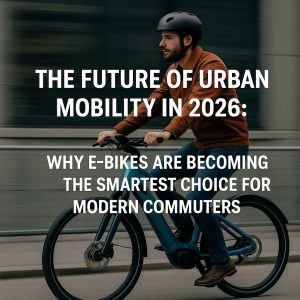
The Future of Urban Mobility in 2026: Why E‑Bikes Are Becoming the Smartest Choice for Modern Commuters
Urban mobility is changing faster than ever. In 2026, electric bikes aren’t just a trend, they’re becoming the backbone of a new, smarter, and more sustainable way of moving through cities.